Texas Barbecue: The Ultimate Guide Regional BBQ Styles Explained
Blog
Published: 27 Feb 2026
We don’t think that it’s dramatic to say that barbecue is more than just cooking—it’s a craft rooted in tradition, patience, and regional pride. Anyone from Texas, Tennessee, or any other BBQ powerhouse state will attest to that! From slow-smoked brisket in Texas to vinegar-kissed pork in the Carolinas, regional BBQ styles vary widely but all have a common thread – delicious tradition.
Here’s a breakdown of SOME of the most influential styles and what sets each one apart.
You know, Texas is such a huge state that there are even sub-regional BBQ styles. Across the state of Texas, there are big variations. For example, in Central Texas, Brisket is the main pride and joy, focused on simple rubs and no heavy sauces but travel east and you’ll find chopped beef and pork that is a little more sauce-forward. Then you have South Texas with neighboring influence bringing Barbacoa smoking to the forefront. West Texas has its own style by cooking directly over mesquite. The commonality in the state; however, is clear: Honoring the meat and letting the smoke do the work.
• Wet – Brushed with sauce before or after cooking
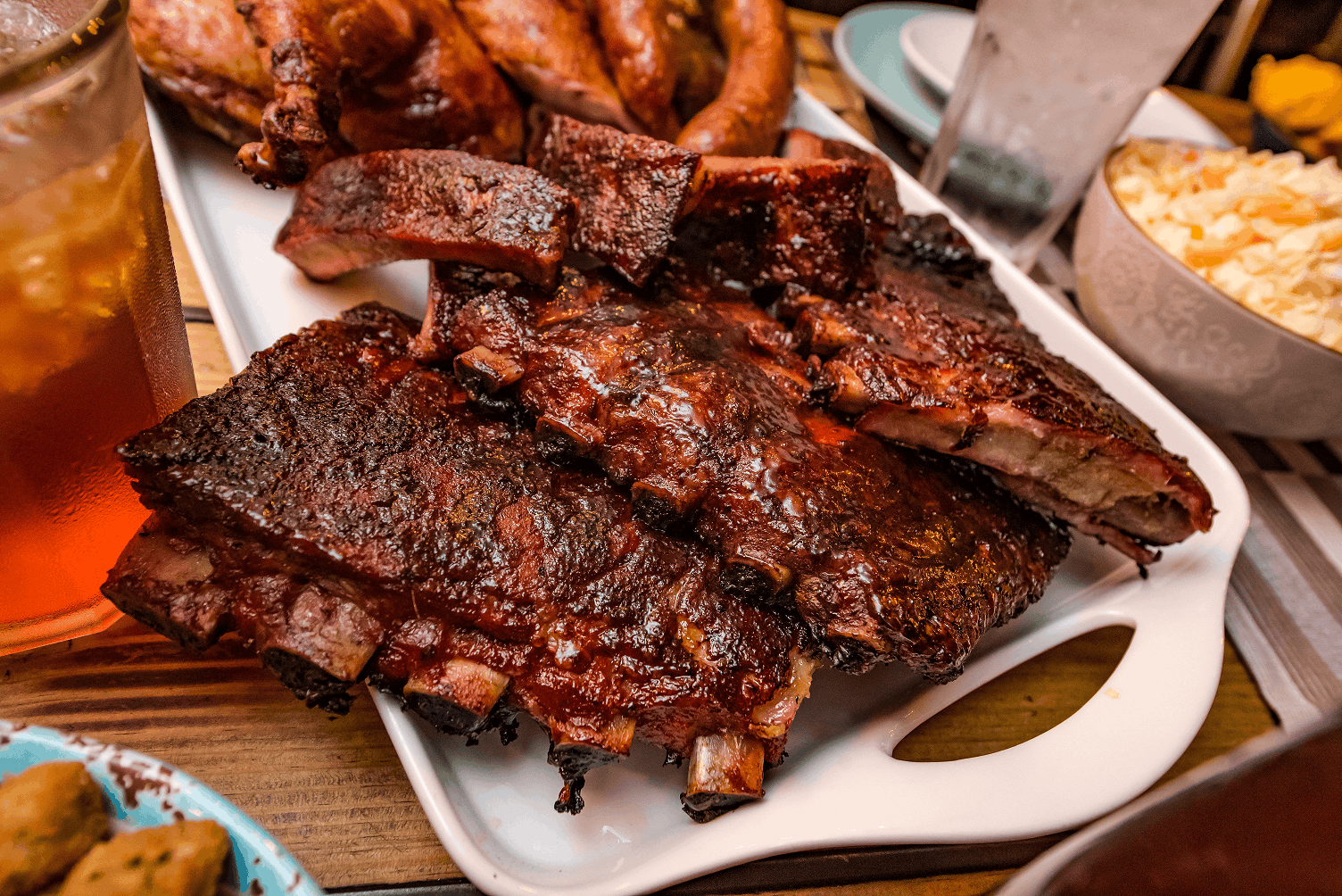
Loyalists will say that dry rub ribs are the true signature of this region. The seasoning creates a flavorful crust that doesn’t rely on sauce to carry the delicious pork flavor of the ribs. Then there are those loyal to the sauce that swear the sauce brushed on after cooking is what makes a rib a rib. Either way, Memphis BBQ highlights spice balance and technique.
No matter your preference in style or technique, understanding these regional BBQ styles can inspire your own flavor experiments and help you appreciate the diversity of barbecue traditions. You can learn from every region’s traditions and best practices to create a BBQ style all your own. Don’t miss out on some additional blogs coming soon to continue your Ultimate Guide to Texas Barbecue.
Here’s a breakdown of SOME of the most influential styles and what sets each one apart.
Texas BBQ: Beef and Smoke
In Texas, beef reigns supreme—particularly brisket. Texas BBQ techniques emphasize simple seasoning (usually just salt and black pepper but Dickey’s always puts a little extra secret something in there for your tastebuds to love), hickory wood for smoking, and letting the meat’s natural flavor shine. The focus is on bark development, smoke penetration, and perfect tenderness. That’s why it is so important to smoke your brisket on low heat for a long time. We smoke ours for 18 hours! Low and Slow is the name of the BBQ game, especially when it comes to Texas brisket!You know, Texas is such a huge state that there are even sub-regional BBQ styles. Across the state of Texas, there are big variations. For example, in Central Texas, Brisket is the main pride and joy, focused on simple rubs and no heavy sauces but travel east and you’ll find chopped beef and pork that is a little more sauce-forward. Then you have South Texas with neighboring influence bringing Barbacoa smoking to the forefront. West Texas has its own style by cooking directly over mesquite. The commonality in the state; however, is clear: Honoring the meat and letting the smoke do the work.
Kansas City BBQ: Sweet, Saucy, and Bold
Unlike Texas, Kansas City barbecue is known for its thick, tomato-based sauce which is the perfect balance of sweetness, tanginess, and other spices. The flavor profile leans bold with sauces that are rich and glossy. More often than not, meats are often fully coated before serving in this sweet and tangy BBQ sauce. It’s approachable, crowd-pleasing barbecue with big personality, but it’s safe to say, you’ll probably need some napkins for cleanup from that delicious sauce!Carolina BBQ: Vinegar and Whole Hog
Looking east to the Carolinas, pork is king. If you’ve ever visited one of the Carolinas or have ever even just met someone from either of the Carolinas, they’ll tell you that they’ve got the best pork pulled in the country. North Carolina uses a vinegar-based sauce with minimal sweetness, while South Carolina leans into mustard-based sauces. Coming from someone who has tried them both, they are delicious and have a worthy claim to the title of delicious pulled pork.Memphis BBQ: Pork and Dry Rubs
Another regional BBQ to look at would be Tennessee. While is a bit of a divide here, with ribs served in 1 of 2 way. Delicious and sweet are the 2 words I would use to describe this region’s BBQ. The 2 ways that Memphis ribs are served are: • Dry – Coated in a flavorful spice rub• Wet – Brushed with sauce before or after cooking
Loyalists will say that dry rub ribs are the true signature of this region. The seasoning creates a flavorful crust that doesn’t rely on sauce to carry the delicious pork flavor of the ribs. Then there are those loyal to the sauce that swear the sauce brushed on after cooking is what makes a rib a rib. Either way, Memphis BBQ highlights spice balance and technique.
Kansas City BBQ: Sweet and Saucy
Kansas City barbecue is known for its thick, tomato-based sauce that balances sweetness, tang, and spice. Meats are often coated or glazed in sauce, creating a rich, glossy finish. Kansas City BBQ is bold, approachable, and layered with flavor — perfect for those who love a sweet-meets-smoky combination.No matter your preference in style or technique, understanding these regional BBQ styles can inspire your own flavor experiments and help you appreciate the diversity of barbecue traditions. You can learn from every region’s traditions and best practices to create a BBQ style all your own. Don’t miss out on some additional blogs coming soon to continue your Ultimate Guide to Texas Barbecue.