Smoked Turkey for Thanksgiving: Tips, Serving Ideas and BBQ Pairings
Blog
Published: 12 Nov 2026
Smoked Turkey for Thanksgiving: Tips, Serving Ideas and BBQ Pairings
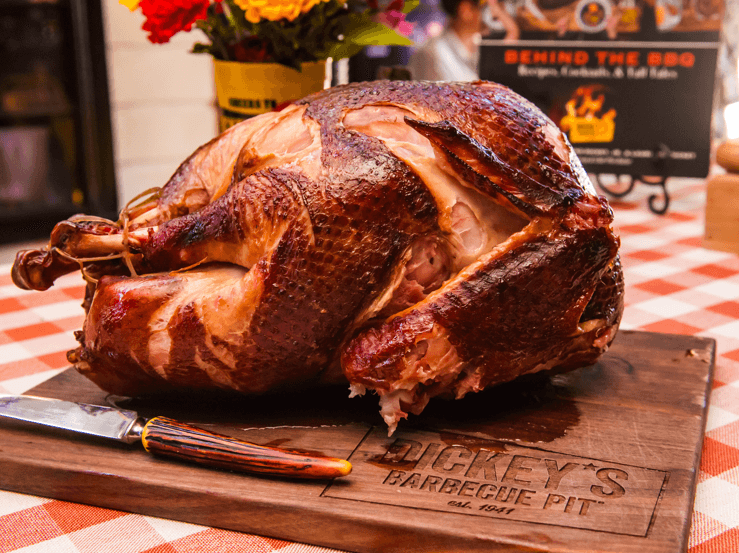
Smoked turkey for Thanksgiving is a delicious way to give a familiar holiday meal a little more character. Instead of relying entirely on the traditional roasted bird, smoking adds a gentle wood-fired flavor, creates a beautiful golden-brown exterior, and gives you a centerpiece that pairs naturally with classic Thanksgiving sides and barbecue favorites.
The best part is that smoked turkey doesn't require an especially complicated menu. A well-prepared bird can take center stage alongside mashed potatoes, stuffing, green beans, cornbread, smoked baked beans, and your favorite holiday desserts. Whether you're hosting a small family dinner or preparing a larger Thanksgiving gathering, the key is choosing the right turkey, preparing it properly, managing your smoker's temperature, and allowing enough time for cooking and resting.
Here's how to prepare, smoke, serve, and enjoy turkey for a memorable Thanksgiving BBQ.
Why Smoked Turkey Is a Great Choice for Thanksgiving
Thanksgiving is built around familiar flavors and traditions, but that doesn't mean the main course has to be prepared the same way every year. Smoked turkey offers a different approach while keeping the holiday meal recognizable.
Smoking is especially appealing if you enjoy barbecue or want to introduce a little more variety to your Thanksgiving table. The turkey still works with traditional holiday sides, but its smoky flavor also complements dishes that might feel out of place alongside a conventional roast.
How Smoking Adds Flavor to Thanksgiving Turkey
Smoking cooks turkey using indirect heat and wood smoke. As the bird cooks, smoke surrounds its surface and contributes an additional layer of flavor. Depending on the wood you choose, the result can be subtly sweet, nutty, fruity, or more robust.
The flavor should complement the turkey rather than overpower it. Poultry has a relatively delicate taste, so milder hardwoods and fruitwoods are popular choices. Apple, cherry, maple, and pecan can add a pleasant smoky character without overwhelming the meat.
Seasoning also plays an important role. Salt, black pepper, garlic, onion, paprika, thyme, rosemary, and sage are all useful ingredients for a Thanksgiving turkey rub. These familiar herbs and spices reinforce the flavors people associate with the holiday while allowing the smoke to remain noticeable.
The result is a turkey that feels familiar enough for a traditional Thanksgiving dinner but distinctive enough to make the meal feel special.
Smoked Turkey vs. Traditional Roasted Turkey
The biggest difference between smoked and roasted turkey is the cooking environment. Roasting generally uses the dry heat of an oven, while smoking cooks the bird in a covered smoker or appropriately configured grill using indirect heat and wood smoke.
Roasted turkey tends to have a more familiar, straightforward poultry flavor. Smoked turkey has that same foundation, with an additional smoky aroma and flavor that can vary depending on the wood and cooking method.
There are practical differences, too. Smoking requires you to monitor the smoker's temperature and fuel supply, and cooking times can vary with the weather, equipment, bird size, and cooking temperature. You may also need to plan for a longer preparation process if you intend to brine the turkey.
Neither method is automatically better. Roasting may be more convenient if you want to use your oven for a predictable holiday schedule. Smoking is an appealing option if you enjoy barbecue flavors and have the equipment and time to prepare the bird properly.
One consideration is the skin. Smoking at lower temperatures can produce flavorful meat but skin that isn't as crisp as oven-roasted turkey skin. Cooking at a higher temperature toward the end, where your smoker setup allows, can help improve the exterior. Some recipes also recommend finishing the bird in a hot oven or grill.
Why Smoked Turkey Works Well with BBQ Sides
Smoked turkey is a natural centerpiece for a Thanksgiving BBQ because its flavor bridges traditional holiday cooking and barbecue-style dishes.
Classic sides such as mashed potatoes, gravy, cornbread, and roasted vegetables provide familiar comfort. BBQ sides such as smoked baked beans, barbecue corn, and smoked macaroni and cheese introduce a richer, more savory element.
The key is balance. Because smoked turkey already has a distinctive flavor, you don't need every side dish to be heavily smoked or seasoned. A combination of creamy, fresh, sweet, and savory dishes makes the meal more interesting and gives guests plenty of choices.
How to Choose the Right Turkey for Smoking
Choosing the right turkey is one of the most important steps in preparing a successful Thanksgiving meal. The bird needs to fit your guest list, your smoker, and the amount of time you have available.
Before buying, consider how many people you're feeding, whether you want leftovers, and whether your smoker can accommodate a whole turkey with enough room for heat and smoke to circulate.
Fresh vs. Frozen Turkey
Both fresh and frozen turkey can work well in a smoker. The most important consideration is how you plan to store and prepare the bird before cooking.
A fresh turkey can be convenient because it generally requires less preparation time before seasoning. However, you should still check its packaging and storage instructions and keep it properly refrigerated.
Frozen turkey is often easier to purchase well ahead of Thanksgiving, but it needs enough time to thaw safely. The refrigerator is the preferred method. Allow approximately 24 hours of refrigerator thawing for every 4 to 5 pounds of turkey, and keep the bird in a container that can catch any liquid.
If you're short on time, cold-water thawing is another option. Keep the turkey securely wrapped, submerge it in cold tap water, and change the water every 30 minutes. A turkey thawed this way should be cooked immediately.
Never thaw turkey on the kitchen counter. Leaving it at room temperature can allow bacteria to multiply while the center of the bird is still frozen.
Also, check the label before buying. Some turkeys are already injected or enhanced with a salt solution. This matters if you plan to brine the bird yourself, because adding more salt can make the finished turkey too salty.
Choosing the Right Turkey Size
The right turkey size depends on your number of guests, how much other food you're serving, and whether you want leftovers.
A useful shopping estimate is approximately 1 to 1½ pounds of raw turkey per person when buying a whole bird. You may want more if leftovers are important or if turkey is the main attraction and there are relatively few other dishes.
For example, a smaller gathering may only need a modest bird, while a large Thanksgiving dinner could require a larger turkey or two smaller birds. Two smaller birds can also be easier to manage if your smoker has limited space.
Before buying, measure your smoker. A turkey needs enough clearance for the lid to close properly and for heat to circulate around the bird. Don't choose a turkey based only on the number of servings listed on the packaging.
If you're hosting a smaller Thanksgiving dinner, consider smoking a turkey breast instead of a whole bird. It takes up less space, can be easier to prepare, and gives you more control over the amount of food you're making.
Preparing Your Turkey Before Smoking
Good preparation starts with completely thawing the turkey and checking the body and neck cavities for the neck, giblets, and packaging materials.
Remove these items before seasoning. If you plan to make homemade gravy, you can reserve suitable giblets and the neck for stock, following safe handling practices.
Pat the turkey dry with paper towels. A dry exterior helps seasoning adhere and supports better skin browning.
You should also check whether the turkey has been pre-brined, injected, or enhanced with a salt solution. This information is usually printed on the packaging. If the turkey has already been salted, adjust your seasoning plan accordingly.
For more even cooking, some cooks choose to spatchcock the turkey by removing its backbone and flattening it. This can help the bird cook more evenly and may reduce cooking time, although it changes the traditional whole-bird presentation. If you want a classic Thanksgiving centerpiece, you can smoke the turkey whole instead.
Keep raw turkey and its juices away from ready-to-eat foods, wash your hands and equipment after handling it, and refrigerate the bird whenever you're not actively preparing it.
How to Prepare Turkey for Smoking
Once you've selected and thawed your turkey, it's time to build flavor. Brining, seasoning, and choosing the right wood all contribute to the finished result.
You don't necessarily need to use every preparation technique. A good seasoning blend and carefully controlled cooking temperature can produce excellent turkey without an elaborate process.
Brining Your Turkey
Brining is a popular way to prepare turkey before smoking. It involves exposing the bird to a salt solution or applying salt directly to its surface so that the meat is seasoned more thoroughly.
There are two common approaches: wet brining and dry brining.
Wet brining involves submerging the turkey in a mixture of water, salt, and optional flavorings such as herbs, garlic, sugar, or peppercorns. The turkey must remain refrigerated throughout the process, and the container needs to be large enough to hold the bird safely.
Dry brining involves applying salt directly to the turkey and allowing it to rest in the refrigerator. This method uses less space and avoids the need to handle a large container of liquid. It can also help dry the skin, which is useful if you're aiming for a better-browned exterior.
The best method depends on your preferences and preparation time. However, you should always check the turkey's packaging first. If it has already been enhanced with a salt solution or is labeled as self-basting, additional brining may not be necessary.
Whichever approach you choose, follow a tested recipe for the amount of salt and preparation time. Too much salt or an excessively long brine can negatively affect the flavor and texture.
Seasoning and Applying a Turkey Rub
A turkey rub is an easy way to add flavor before the bird goes into the smoker.
For a traditional Thanksgiving flavor profile, start with salt, black pepper, garlic powder, onion powder, paprika, thyme, rosemary, and sage. A small amount of brown sugar can add sweetness and help the exterior develop color, although it isn't essential.
You can adjust the blend depending on the rest of your menu. A little cayenne or chili powder adds warmth, while lemon zest and dried herbs can give the seasoning a fresher character.
Apply the seasoning evenly over the turkey's exterior. If you can safely loosen the skin, you can also work some seasoning or herb butter underneath it to flavor the breast meat.
If you've dry-brined the bird, remember that the surface is already seasoned with salt. Use a salt-free or reduced-salt rub to avoid over-seasoning.
A light coating of oil or softened butter can help seasoning stick and encourage browning. Avoid applying a very thick layer of seasoning, which can make the outside taste overly salty or spicy.
Choosing Wood for Smoking Turkey
Wood choice has a noticeable effect on the flavor of smoked turkey. Because turkey is milder than many traditional barbecue meats, it's usually best to start with a wood that adds flavor without overpowering the bird.
Apple is a popular option because it produces a relatively mild, slightly sweet smoke. It works particularly well with herb-based seasoning and traditional Thanksgiving sides.
Cherry offers a gentle sweetness and can contribute an attractive reddish-brown color to the exterior. It's a good choice if you want a distinctive but not overly strong smoke flavor.
Maple has a mild, slightly sweet character that pairs well with turkey and autumn-inspired flavors. Pecan is another excellent option, offering a richer, nutty flavor that works nicely with garlic, herbs, and brown sugar.
Hickory can be used if you prefer a more noticeable barbecue flavor, but it's worth using it moderately. Strong woods can dominate the natural flavor of poultry.
For most Thanksgiving menus, apple, cherry, maple, and pecan are reliable starting points. You can also experiment with blends once you've learned how your smoker and preferred wood affect the finished turkey.
Avoid softwoods such as pine, fir, cedar, and spruce. USDA guidance warns against using these woods for smoking because they can produce unpleasant flavors and residues.
How to Smoke a Turkey for Thanksgiving
Smoking a turkey is less about following an exact clock and more about controlling the cooking environment and checking the bird's internal temperature.
A reliable thermometer is essential. Smoker temperature gauges can be inaccurate, and cooking times are estimates rather than guarantees.
Preparing Your Smoker
Start with a clean smoker and follow the manufacturer's instructions for your particular equipment. Whether you use a charcoal, electric, gas, or pellet smoker, the goal is to create a consistent cooking environment with indirect heat.
Position the smoker outdoors in a safe, well-ventilated location, away from structures and anything that could catch fire. Avoid using outdoor cooking equipment inside a home, garage, or enclosed space.
Preheat the smoker and allow it to stabilize before adding the turkey. If your equipment has a separate thermometer at grate level, use it to check the temperature where the bird will actually cook.
Place a drip pan beneath the turkey if your smoker design allows. It can catch flavorful drippings that may be useful for gravy, provided they're handled and cooked safely.
Position the turkey so that air and smoke can circulate around it. Avoid placing it too close to the heat source, and don't overcrowd the cooking chamber.
Maintaining the Right Cooking Temperature
USDA guidance for smoking turkey recommends maintaining a smoker temperature between 225°F and 300°F. A stable temperature is important because the turkey needs to cook thoroughly without spending too long at unsafe temperatures.
Different recipes use different smoker settings. Some cooks prefer the lower end of the range for a more gradual cooking process, while others use a hotter smoking method to reduce cooking time and improve the skin.
For a first attempt, choose a tested recipe that matches your smoker and follow its temperature instructions. Don't rely on the smoker's built-in dial alone if you have reason to question its accuracy.
Keep the lid closed as much as possible. Opening it frequently allows heat to escape and can extend the cooking process. Add fuel or wood as necessary, following your smoker's instructions, and make adjustments gradually rather than making large temperature changes.
Avoid cooking a large turkey at an extremely low temperature simply to maximize smoke exposure. The bird must move through the cooking process safely. The USDA specifically advises maintaining an appropriate smoking temperature and using a food thermometer rather than relying on appearance.
How Long Does It Take to Smoke a Turkey?
Smoking time depends on the turkey's size, whether it's whole or spatchcocked, the smoker temperature, outdoor conditions, and the design of your equipment.
As a general estimate, USDA advises allowing approximately 20 to 30 minutes per pound when smoking turkey at the recommended 225°F to 300°F range. This is only a planning estimate, not a guarantee that the bird will be ready at a particular time.
A 12-pound turkey could therefore take roughly 4 to 6 hours. However, the actual time may be shorter or longer depending on the conditions.
The best approach is to start early enough to allow for unexpected delays. You can always keep a properly cooked turkey warm for a short period while the rest of the meal comes together, but you can't safely rush an undercooked bird onto the Thanksgiving table.
Build time into your schedule for preparation, cooking, resting, carving, and serving. If you're cooking for a large group, consider whether a turkey breast or two smaller birds would make the process easier.
How to Check Whether Your Turkey Is Done
Never decide that a smoked turkey is ready based only on its color, cooking time, or the appearance of the juices.
The reliable way to check doneness is with a food thermometer. According to USDA guidance, turkey must reach a minimum internal temperature of 165°F throughout the bird.
Check the temperature in the thickest part of the breast and in the innermost parts of the thigh and wing. Avoid touching bone with the thermometer probe, as this can affect the reading.
If you're cooking a stuffed turkey, the stuffing must also reach 165°F. However, USDA advises against stuffing a turkey that will be smoked because the low-temperature cooking process can make it difficult for the stuffing to reach a safe temperature quickly enough. Cooking stuffing separately in a baking dish is the better option.
Once every required area has reached the safe temperature, remove the turkey from the smoker and allow it to rest before carving.
What to Serve with Smoked Turkey
A good Thanksgiving menu should complement the main course without competing with it. Smoked turkey offers plenty of flavor, so you can combine familiar holiday dishes with BBQ-inspired sides to create a balanced meal.
Classic Thanksgiving Side Dishes
Traditional Thanksgiving sides remain excellent choices with smoked turkey. Mashed potatoes are an obvious favorite because their creamy texture works well with the rich flavor of the meat and a generous serving of gravy.
Stuffing is another classic option. Since USDA recommends cooking stuffing separately when smoking turkey, prepare it in a baking dish with bread, onions, celery, herbs, and broth.
Green bean casserole brings a creamy vegetable option to the table, while roasted carrots, Brussels sprouts, and other seasonal vegetables add freshness and color.
Cornbread or dinner rolls are useful additions, too. They help round out the meal and give guests something to enjoy with gravy or barbecue-inspired sauces.
You don't need to serve every traditional side. Choose a few that your guests enjoy and leave room for dishes that bring a little more BBQ character to the menu.
BBQ Sides That Complement Smoked Turkey
BBQ sides can make a smoked turkey Thanksgiving meal feel different from a traditional holiday dinner without making it unfamiliar.
Smoked baked beans are a natural pairing. Their sweet, savory flavor works well with wood-smoked poultry, especially when the beans include a little brown sugar, onion, and barbecue seasoning.
Macaroni and cheese is another crowd-pleaser. A creamy version provides contrast to the turkey, while a smoked version can reinforce the barbecue theme. If you're already serving several rich dishes, consider a lighter side instead.
Barbecue corn is a simple way to add sweetness and color. Grilled or smoked corn can be served with butter, herbs, or a light seasoning blend.
You can also include coleslaw, roasted vegetables, or a fresh green salad to balance heavier dishes. The goal is to offer variety rather than make every side taste smoky.
For a larger gathering, a combination of classic Thanksgiving sides and two or three BBQ favorites is usually enough to create a menu that feels generous without becoming overwhelming.
Sauces and Gravies to Serve with Turkey
Gravy is still one of the best accompaniments for Thanksgiving turkey. A traditional turkey gravy made with stock and pan drippings provides a familiar option for guests who prefer classic holiday flavors.
If you collect drippings during smoking, they may contribute a pleasant smoky note to your gravy. Make sure the gravy is brought to a safe temperature during preparation and kept hot for serving.
You can also offer barbecue sauce, but choose one that complements rather than hides the flavor of the turkey. A mild, slightly sweet sauce is often a better match than an intensely spicy or heavily flavored option.
Cranberry sauce is another useful addition. Its sweetness and acidity provide contrast to the savory meat, making it a good choice whether you're serving traditional sides, BBQ favorites, or both.
Offering a few different sauces gives guests flexibility without requiring a complicated menu.
How to Serve and Store Smoked Turkey
Once the turkey has finished smoking, a little patience makes a difference. Resting helps make carving easier, while careful storage keeps leftovers safe to enjoy after Thanksgiving.
How Long to Rest Turkey Before Carving
After removing the turkey from the smoker, allow it to rest before carving. A rest of approximately 20 to 30 minutes is a practical starting point for many whole birds, although the ideal time depends on their size and the recipe you're following.
Resting gives the meat time to settle after cooking and makes it easier to carve without losing as much juice across the cutting board.
Place the turkey on a clean carving board. If you need to keep it warm, cover it loosely rather than wrapping it tightly in foil. A tight covering can trap steam and soften the skin.
Don't leave the turkey sitting out for an extended period. Plan the resting time as part of your serving schedule and refrigerate leftovers promptly.
Tips for Carving and Serving
Use a sharp carving knife and a stable cutting board. Begin by removing the legs and thighs, then separate the wings. Next, slice the breast meat across the grain into even portions.
Arrange the slices on a serving platter, keeping dark and white meat separate if that makes serving easier for your guests.
For a traditional presentation, you can bring the whole rested bird to the table before carving. If you're serving a large group, carving in the kitchen may be more practical because it allows you to portion the meat evenly and keep the serving area organized.
Serve the turkey with warm gravy, cranberry sauce, and your chosen sides. If barbecue sauce is part of the menu, offer it separately so guests can decide how much they want.
How to Store and Reheat Leftover Turkey Safely
Thanksgiving leftovers are one of the best parts of preparing a large turkey, but they need to be handled carefully.
Refrigerate leftover turkey within two hours of cooking or serving. If the surrounding temperature is above 90°F, such as at an outdoor gathering, refrigerate it within one hour.
Remove the meat from the bones and divide it into smaller portions in shallow containers. This helps it cool more quickly than storing a whole turkey or a large pile of meat in one container.
Keep refrigerated cooked turkey at 40°F or below and use it within three to four days. If you want to keep it longer, freeze it in airtight containers or freezer bags, ideally in portions that are easy to use later.
When reheating leftovers, heat them to 165°F. Add a little broth or gravy to help prevent the meat from drying out, and cover the dish while reheating if appropriate.
These precautions help you enjoy smoked turkey in sandwiches, soups, casseroles, and other meals after Thanksgiving without compromising food safety.
Frequently Asked Questions About Thanksgiving Smoked Turkey
What Is the Best Wood for Smoking Turkey?
Apple, cherry, maple, and pecan are excellent choices for smoking turkey because they provide a relatively mild flavor that complements poultry. Apple and cherry offer gentle sweetness, maple has a subtle, mellow character, and pecan adds a richer, nutty note.
Hickory is another option if you prefer a stronger smoke flavor, but use it carefully so it doesn't overpower the turkey. Avoid softwoods such as pine, fir, cedar, and spruce.
What Temperature Should Smoked Turkey Reach?
Smoked turkey must reach a minimum internal temperature of 165°F to be considered safe to eat. Check the thickest part of the breast and the innermost parts of the thigh and wing with a food thermometer.
Don't rely on the color of the meat or the estimated cooking time. A thermometer is the most dependable way to confirm that the turkey is fully cooked.
How Long Does It Take to Smoke a 12-Pound Turkey?
A 12-pound turkey may take approximately 4 to 6 hours to smoke when following the USDA's general estimate of 20 to 30 minutes per pound at a smoker temperature of 225°F to 300°F.
However, cooking time varies depending on the smoker, weather, turkey shape, and actual cooking temperature. Start checking the internal temperature before the estimated finish time and cook until all required areas reach 165°F.
Can You Smoke a Turkey Ahead of Thanksgiving?
Yes, you can prepare smoked turkey ahead of Thanksgiving, which can make the holiday easier to manage. One practical option is to smoke the turkey in advance, carve it, refrigerate the meat promptly in shallow containers, and reheat it on Thanksgiving.
Keep cooked turkey refrigerated at 40°F or below and use it within three to four days. When reheating, bring the meat to 165°F. Adding a little broth or gravy can help keep it moist.
If you prefer to smoke the turkey on Thanksgiving Day, you can still prepare several components ahead of time. Thaw the bird safely, prepare your seasoning, organize your smoker equipment, and make side dishes in advance. That way, you can spend less time preparing and more time enjoying the holiday.
Make Smoked Turkey the Centerpiece of Your Thanksgiving BBQ
Smoked turkey brings together the familiar flavors of Thanksgiving and the distinctive character of barbecue. With the right bird, a balanced seasoning blend, suitable smoking wood, and careful temperature control, you can create a centerpiece that works beautifully with both traditional holiday sides and BBQ favorites.
The most important part is planning ahead. Choose a turkey that fits your gathering and smoker, allow enough time for safe thawing and cooking, and use a food thermometer to confirm that the meat reaches the recommended internal temperature. A little preparation makes the day easier and helps you serve a meal everyone can enjoy.
If you'd rather spend less time preparing the main course, you can also explore professionally prepared barbecue and holiday meal options. Dickey's Barbecue Pit offers BBQ-inspired food and holiday options; check the official Dickey's holiday services page and confirm current menus, ordering deadlines, and availability with your local restaurant.
Whether you smoke the turkey yourself or make BBQ part of a larger catered celebration, the goal is the same: bring everyone together around a delicious Thanksgiving meal.